June 24, 2026
Wastewater management remains a fundamental aspect of property ownership for residences outside municipal sewer networks. Beneath the ground, an intricate network operates without pause to process organic waste and water. A functional wastewater setup separates solids from liquids, allowing effluent to drain into the soil. When this underground infrastructure operates in optimal condition, inhabitants enjoy clean environments free from backups.
Without consistent attention, solid waste accumulates at the bottom of the containment vessel. This accumulation threatens the integrity of the drainage field and the connected household plumbing. Understanding the mechanics of waste separation helps property owners appreciate routine maintenance. Through the specific procedure known as septic pumping, blockages are avoided, and pipe integrity is preserved. Bypassing this task puts residential plumbing grids at risk.
Exploring the Core Mechanism of Waste Management
Independent sewer systems rely on a basic yet effective separation process. Wastewater from sinks, showers, and toilets enters the main holding chamber. Inside this chamber, gravity forces heavier solids to sink to the floor, forming a sludge layer. Lighter materials float to the top to create a scum layer. A clear liquid zone remains in the middle of these distinct layers.
The middle liquid layer flows out of the chamber and enters the drain field. Bacteria living inside the tank digest the solid organic matter, breaking it down over extended periods. While bacteria consume a significant portion of the waste, they lack the capacity to eliminate all solid material. The remaining undigested sludge builds up along the floor and requires mechanical removal.
If the sludge layer grows too thick, it diminishes the available space for the liquid effluent. Reduced capacity forces solid particles out into the drain field lines. When solids enter the delicate perforated pipes of the drain field, clogs develop. Clogged drain fields fail to absorb water, causing untreated sewage to pool on the lawn surface above the pipes.
Such failures create health hazards and require extensive excavation to repair. By removing the built-up sludge before it reaches the outflow pipes, property owners protect the drainage field. The act of septic pumping clears out the accumulated sludge and scum. Removing these barriers allows the settling process to begin anew, keeping interior plumbing clear. Routine extraction acts as a reset button.
Identifying the Warning Signals of System Overload
Properties connected to independent wastewater chambers exhibit clear warning signs when capacity reaches critical limits. Slow drains throughout the residence serve as an early indicator of trouble. When water takes more time than normal to empty from sinks, a bottleneck exists within the main line. This bottleneck stems from a full holding tank resisting incoming flow. Recognizing sluggish drainage prevents catastrophes.
Another clear signal involves foul odors emanating from the yard or interior drains. Gases produced by the breakdown of organic matter should remain trapped within the underground vessel or vent through designated rooftop pipes. When the tank becomes overfilled, these gases find alternative escape routes. The smell of raw sewage around the property indicates an immediate need for intervention.
Lush, verdant patches of grass growing over the drain field point to an overloaded setup. While vibrant grass might appear appealing, unnatural growth in this specific area suggests raw sewage acts as fertilizer. The effluent should remain deep underground, not rising to nourish surface vegetation. Localized overgrowth confirms that drain lines are failing to distribute liquid in an appropriate manner.
The most severe warning sign manifests as sewage backing up into the lower levels of a residence. Gurgling sounds from toilets or bathtubs precede these disastrous backups. At this stage, the pipes are blocked by excess sludge. Timely septic pumping prevents these alarming scenarios, ensuring household pipes remain clear and capable of handling daily water usage without resistance.
Examining the Procedure of Professional Tank Evacuation
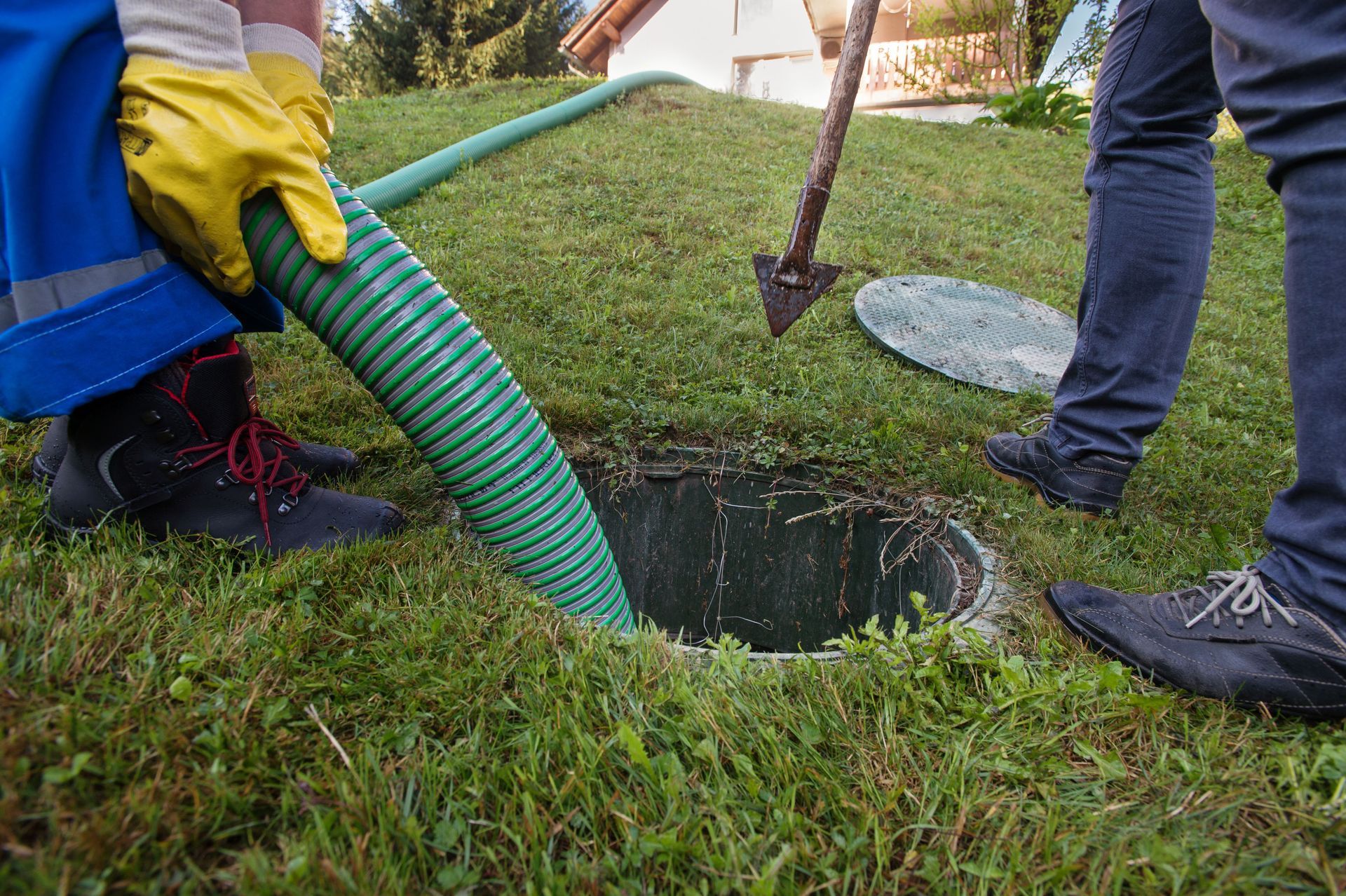
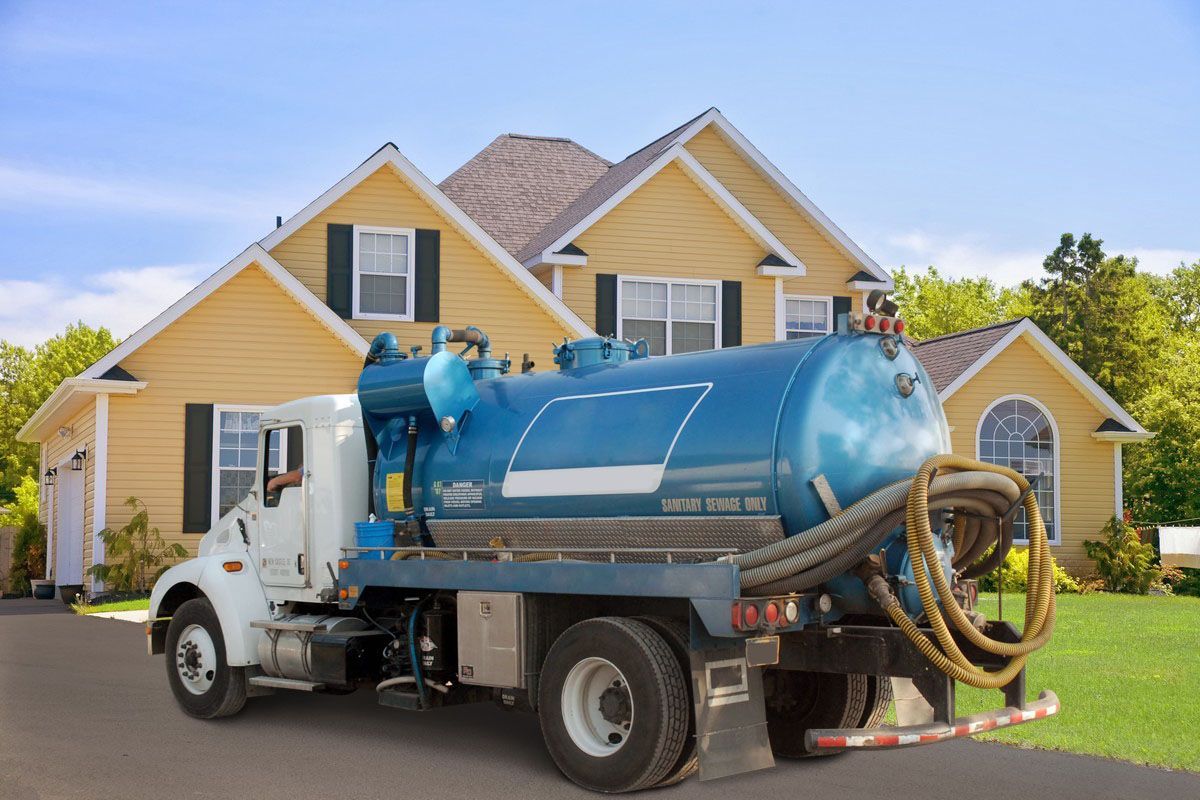
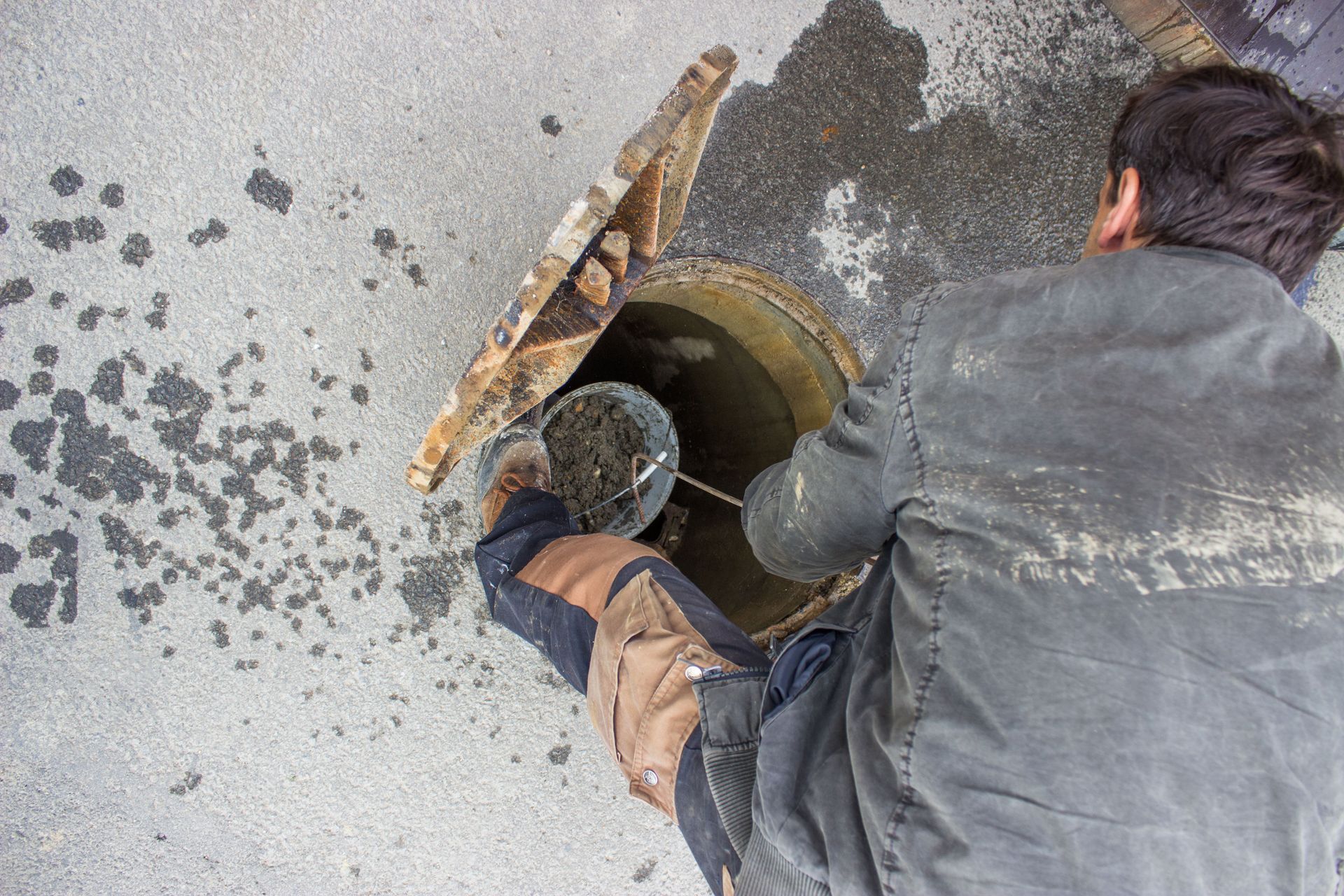
Executing a complete waste extraction requires specialized equipment and trained personnel. Technicians arrive with a vacuum truck designed to suck thick sludge and liquid from the underground chamber. The operators locate the access lids, which require minor digging if the lids are buried under topsoil. Opening these lids exposes the internal layers of scum, liquid, and sludge for visual inspection.
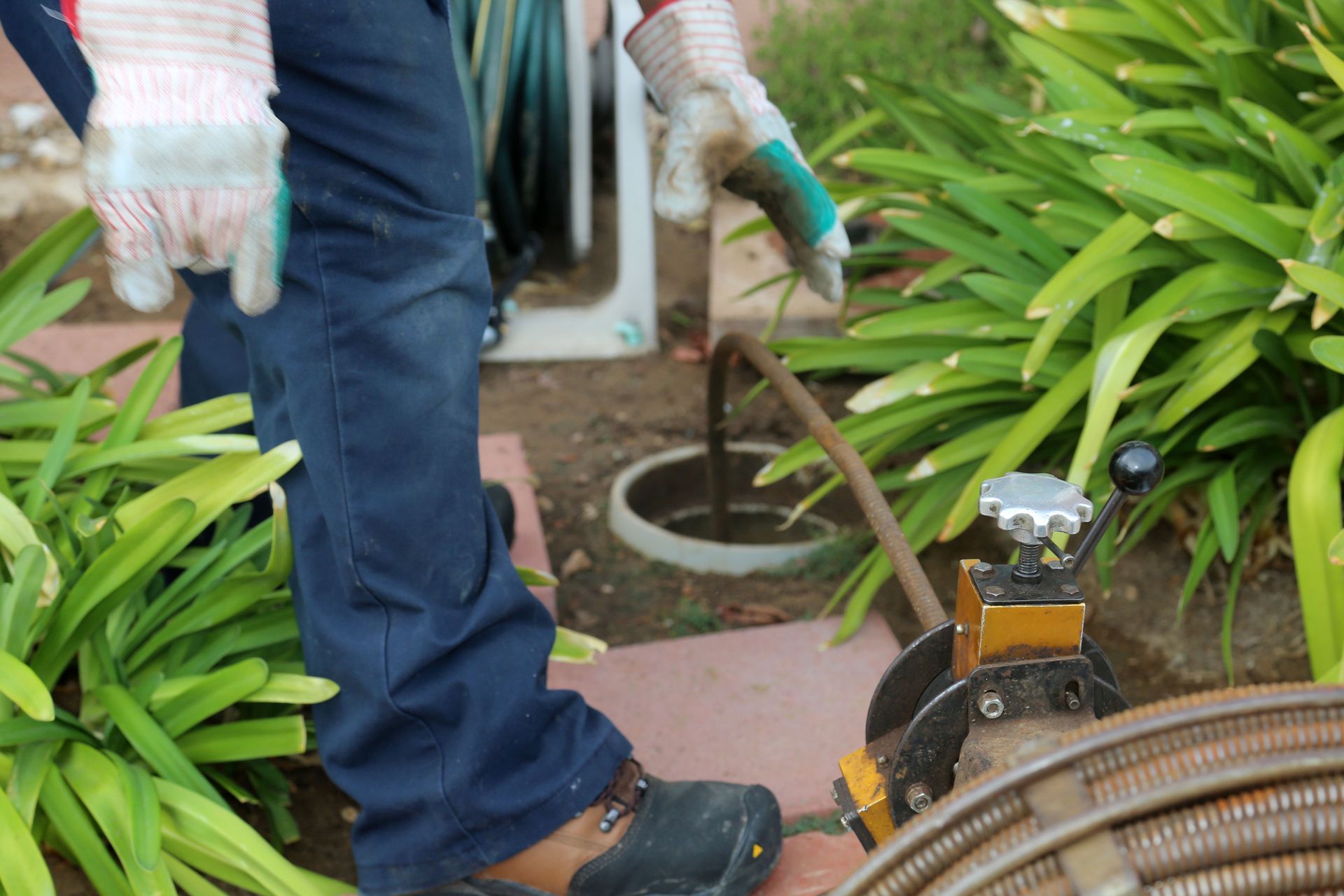
A heavy-duty hose connects the vacuum truck to the holding tank. The powerful suction draws out the contents, breaking up hardened mats of grease and compacted bottom sludge. Technicians use specialized tools to agitate the waste, ensuring no dense material remains adhered to the walls or floor. A thorough extraction resets the internal capacity of the entire containment structure.
Scheduling this extraction depends on household size and daily water consumption. However, general guidelines exist to help property owners plan their maintenance calendars. According to the EPA, septic tanks need to be pumped every three to five years. Adhering to this standard timeline prevents hidden accumulation of solids from reaching the critical failure point within the delicate drainage field.
During the extraction, professionals inspect the baffles and internal walls for signs of deterioration. Baffles prevent scum from escaping into the outlet pipe, making their structural integrity vital to the entire operation. Identifying cracks or broken components during septic pumping allows for minor repairs before major pipe blockages occur. This comprehensive attention guarantees the setup continues processing waste without interruption.
Realizing the Long-Term Benefits of Routine Upkeep
Consistent maintenance extends the lifespan of the entire underground infrastructure. The replacement of a failed drain field requires heavy machinery, landscape destruction, and substantial financial investment. By managing sludge levels, property owners avoid these exorbitant replacement costs. A maintained tank functions for extended periods without requiring complete excavation, preserving property value and surrounding landscape aesthetics. Routine care proves far more economical.
Environmental protection represents another major benefit of diligent waste management. Failed setups leak untreated pathogens and harmful bacteria into the local groundwater supply. Contaminated groundwater poses severe risks to nearby wells, lakes, and streams. Keeping the treatment chamber emptied at appropriate intervals ensures clean, filtered effluent reaches the soil. Responsible water management practices protect the communal environment from toxic sewage run-off.
Property values remain stable when independent utility components boast documented maintenance histories. Prospective buyers hesitate to purchase homes with neglected wastewater infrastructure due to the looming threat of hidden repair costs. Maintaining records of routine extractions demonstrates responsible homeownership and guarantees plumbing remains in working order. Clear pipes and a functional drain field provide peace of mind to new occupants.
Uninterrupted daily life relies on plumbing that drains without issue. Homeowners depend on sinks, showers, and washing machines operating on demand. Scheduled septic pumping eliminates the anxiety of sudden backups during large gatherings or holidays. Knowing the waste containment vessel has adequate capacity allows households to use water without fear of catastrophic plumbing failures. Peace of mind remains the ultimate reward.
The invisible nature of underground wastewater systems leads to unintended neglect. Because the holding tanks and drain fields remain buried beneath the lawn, they escape the mind until disaster strikes. However, proactive property management demands an understanding of how these critical utilities function. Recognizing signs of an impending overload and adhering to an extraction schedule prevents irreversible damage to the infrastructure.
Clean pipes and functional drains form the foundation of a sanitary residential environment. Allowing solid waste to accumulate leads to clogs, environmental contamination, and severe financial burdens. Routine septic pumping stands as the definitive solution to maintaining a flawless flow of household wastewater. By prioritizing this necessary upkeep, property owners guarantee their drainage setups perform without flaw for future generations. If you want to protect your home from sudden wastewater backups, our team at McMahan Septic Tank Inc is here to help. Contact us today to schedule your routine septic pumping and ensure your plumbing continues to flow without interruption.