December 22, 2025
Proper care and maintenance of septic tanks are crucial for avoiding severe and costly issues. Identifying septic tank problems early can prevent significant damage to your property and to the environment. This article discusses various methods to recognize issues in septic systems before they escalate. By understanding the early warning signs, homeowners can take preventative measures to keep their systems running smoothly. Additionally, neglecting these signs could lead to more severe infrastructure problems and increased repair costs.
Understanding the Basics of Septic Systems
Components of a Septic System
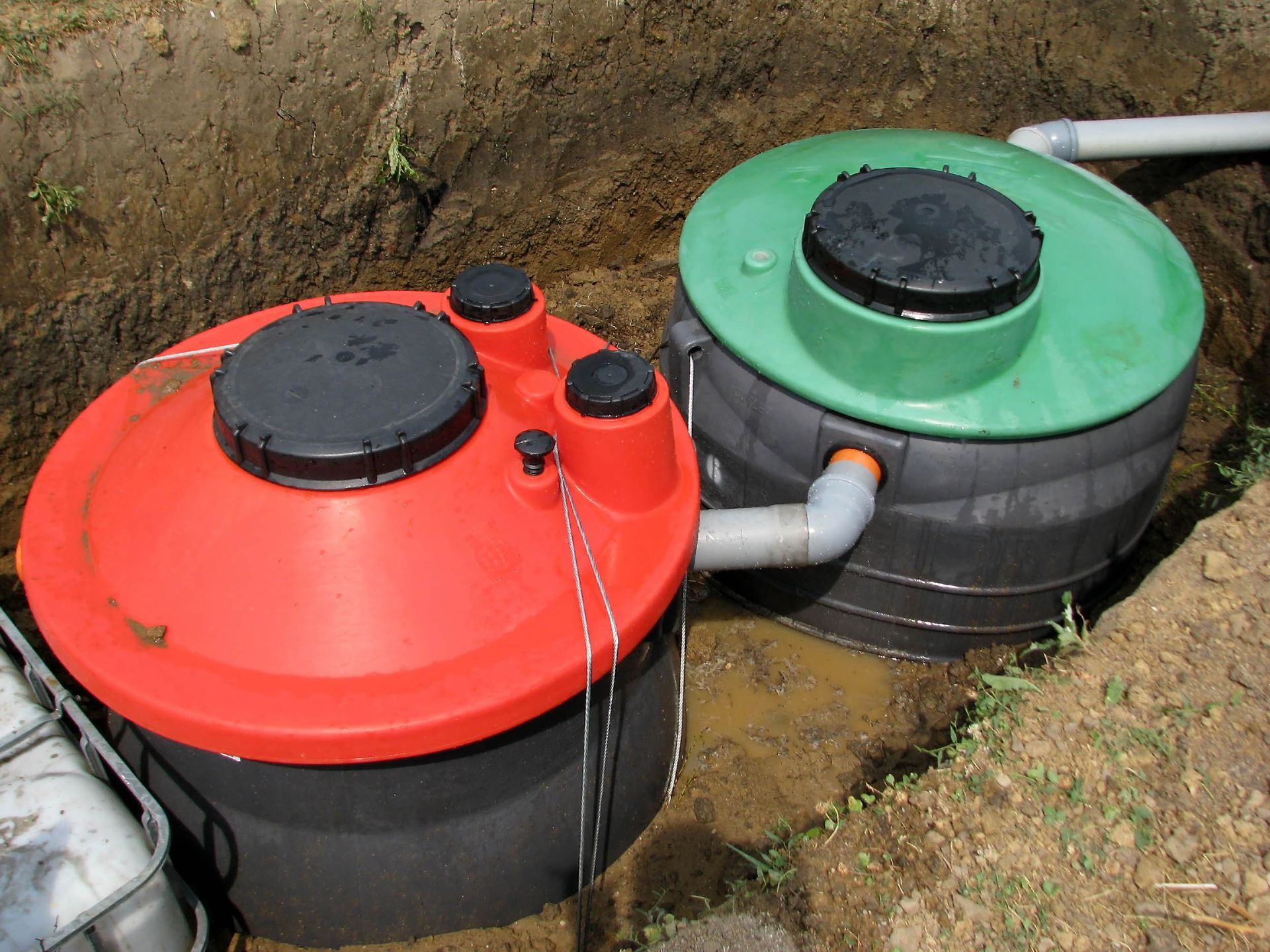
A septic system is made up of several essential components, including the septic tank itself, a drain field, and the surrounding soil. The tank is primarily responsible for collecting and processing waste from the household. The drain field works to further treat the wastewater as it disperses into the soil. Proper functioning of each component is crucial for overall system efficiency. Regular inspection of these components is essential to ensure the system operates as intended.
Functioning of a Septic System
Septic systems work by channeling wastewater from the home to the septic tank, where solids settle, and liquids are treated. The tank retains the solids while allowing liquids to flow into the drain field, where microorganisms in the soil work on breaking down contaminants. This natural process is effective when maintained, but it can easily go awry with system neglect or misuse. It's essential to understand this process to effectively manage the health of the septic system. Regular education on system functions can empower homeowners to maintain their systems properly.
The Lifespan of Septic Systems
The lifespan of a septic system can vary significantly depending on usage, maintenance, and environmental factors. On average, a properly maintained system can last between 20 to 30 years. Signs of natural wear and tear, such as slow drainage or persistent system odors, can indicate that the system is nearing the end of its life. Recognizing these signs early can prevent unexpected failures. Thus, understanding factors affecting lifespan is essential for planning future maintenance and possible system replacement.
Common Issues in Septic Systems
Several common problems can arise with septic systems, including blockages, overflows, and leaks. These issues can result from system overuse, neglect, or improper waste disposal practices. For example, flushing non-biodegradable items can lead to blockages, while overuse can cause overflow. Leaks are often due to damage or degradation over time. Early identification and resolution of these issues can avert more serious complications.
Importance of Regular Maintenance
Regular maintenance of septic systems is paramount to avoid costly repairs and extend system longevity. Consistent inspections help in identifying potential problems before they develop into significant issues. Homeowners should establish a maintenance schedule that includes regular pumping and inspection every few years, depending on usage and system size. According to IBISWorld, the number of U.S. septic, drain & sewer-cleaning businesses grew at a 3.0% average annual rate, highlighting the growing awareness of the importance of septic maintenance. Engaging professional services for thorough inspections can help in maintaining a healthy system.
Warning Signs of Septic Tank Problems
Unpleasant Odors
Foul odors around the septic area often indicate a problem within the system. These unpleasant smells may derive from sewage gases that escape due to tank or drain field failure. Such odors can be particularly noticeable in the yard or near drains within the home. Ignoring these odors can lead to more severe issues, including environmental contamination. By addressing these smells promptly, homeowners can prevent larger systemic failures.
Slow Draining Sinks and Toilets
Experiencing slow drainage in sinks and toilets is a common sign of septic problems. Such issues often point to blockages in the pipes or an overwhelmed septic tank. It's essential to address slow drainage promptly as it may lead to backed-up waste, causing sanitation concerns. Regular septic tank pumping and mindful waste disposal can mitigate drainage issues. Ignoring these signs could result in more significant plumbing repairs.
Unexplained Patches of Lush Grass
Patches of unusually green or lush grass can indicate a leaking septic system. While it may seem like a sign of healthy plant life, it could actually be wastewater nourishing the grass. This condition suggests that the drain field may not be processing waste efficiently. Early detection and repair of leaks can prevent water pollution and system failure. Being observant of lawn changes can serve as an early warning system for septic issues.
Pooling Water and Flooded Drain Fields
Pooling water above the drain field without precipitation is a clear indication of septic system problems. Such pooling often results from the system failing to process and disperse wastewater. If water is found pooling, it's crucial to engage professional assistance to diagnose and repair the issue. Pooling water not only signifies system failure but also poses a risk of contamination to local water supplies. Ensuring prompt attention can prevent further environmental and health hazards.
Backups and Overflow Issues
Septic backups are severe problems that result in unpleasant waste surfaces in the home. Such overflows often occur when the tank is full or when there's an obstruction in the plumbing. Immediate action should include ceasing water usage and contacting a septic professional to diagnose and resolve the issue. Backups underscore the importance of regular septic maintenance and monitoring. They highlight the need for early intervention to prevent more destructive damages.
Diagnosing Common Septic Tank Problems
Conducting Visual Inspections
Homeowners can perform simple visual inspections of their septic systems to identify potential issues. Regularly checking for surface water, odors, and system overflow signs can be beneficial. Catching these indicators early can save homeowners from more substantial repairs down the line. While visual inspections can highlight surface issues, they may not reveal underlying problems. Therefore, combining such inspections with professional assessments ensures comprehensive system health checks.
Using Diagnostic Tools
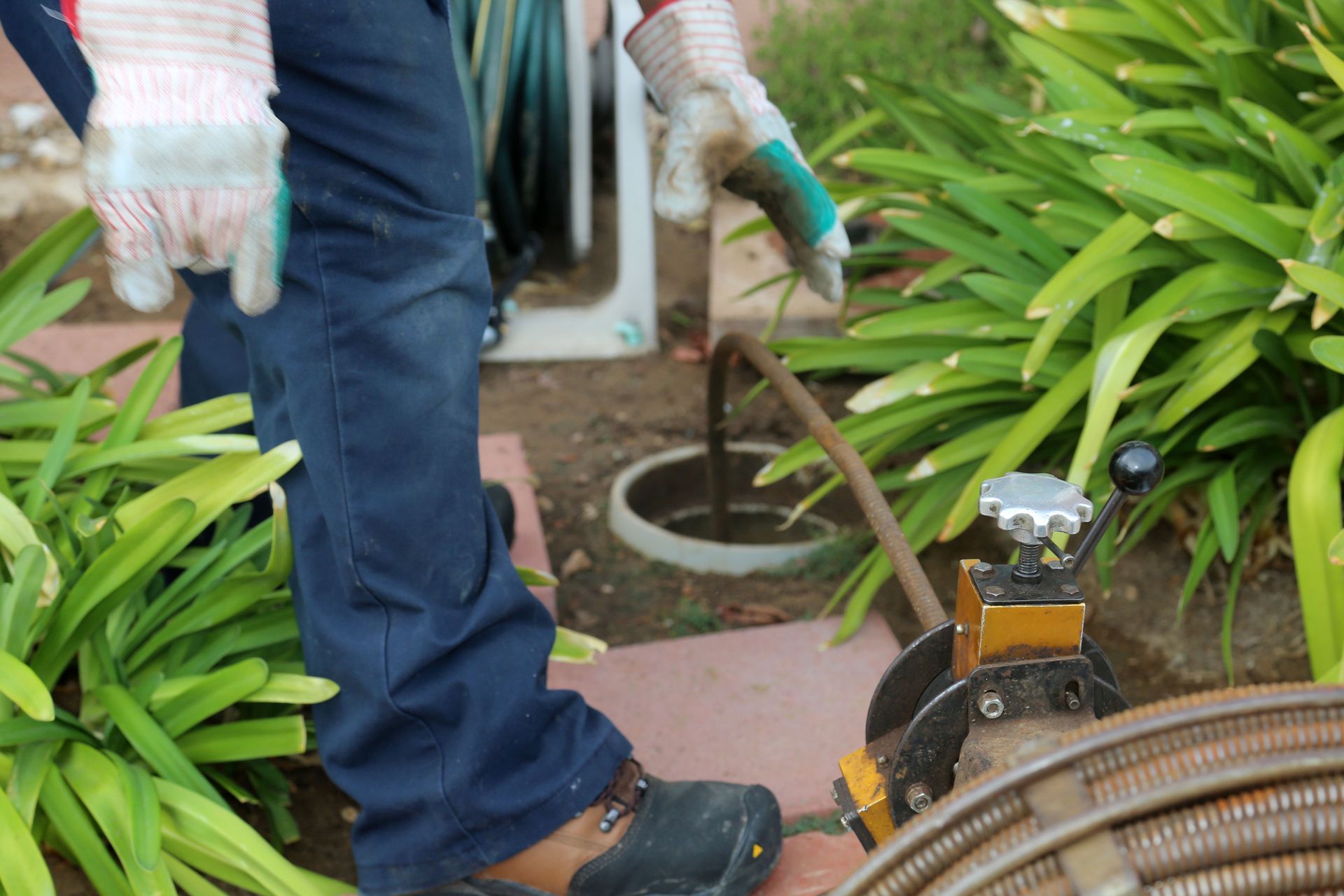
Septic probes and cameras are useful tools for diagnosing septic tank issues. These tools enable professionals to inspect the tank's interior without disturbing the soil or tank itself. Using such technology can pinpoint exact problem areas, facilitating quick and efficient repairs. Investing in these services can pay off by preventing more costly repairs and maintaining property value. They provide a comprehensive approach to septic system diagnostics.
Understanding Septic System Reports
Learning how to interpret septic inspection reports is crucial for understanding system health. These reports often detail findings from professional inspections, such as system capacity, waste breakdown efficiency, and structural integrity. The information supplied can guide maintenance decisions and upcoming repairs. Engaging with these reports allows homeowners to become informed advocates for their septic systems. As a result, issues can be addressed proactively rather than reactively.
Testing Water Quality
Water quality testing is critical in diagnosing septic system problems. Contaminated water can signal issues within the septic system, such as leaks or failures in waste treatment. Regular testing can identify contamination early, allowing corrective measures to be implemented before there is widespread damage. Maintaining high water quality is vital for health and environmental safety. Collaborating with laboratories can provide accurate assessments of potential contamination.
Hiring a Professional for Assessment
Sometimes, complex septic issues necessitate the expertise of professionals. They can utilize specialized equipment to diagnose issues beyond the scope of visual inspections. Hiring professionals ensures a thorough inspection and accurate problem identification. Effective problem resolution often requires skills and tools that only professionals can offer. When in doubt, seeking expert advice can save money and protect the property's integrity.
Preventive Measures for Septic System Health
Regular Pumping and Cleaning
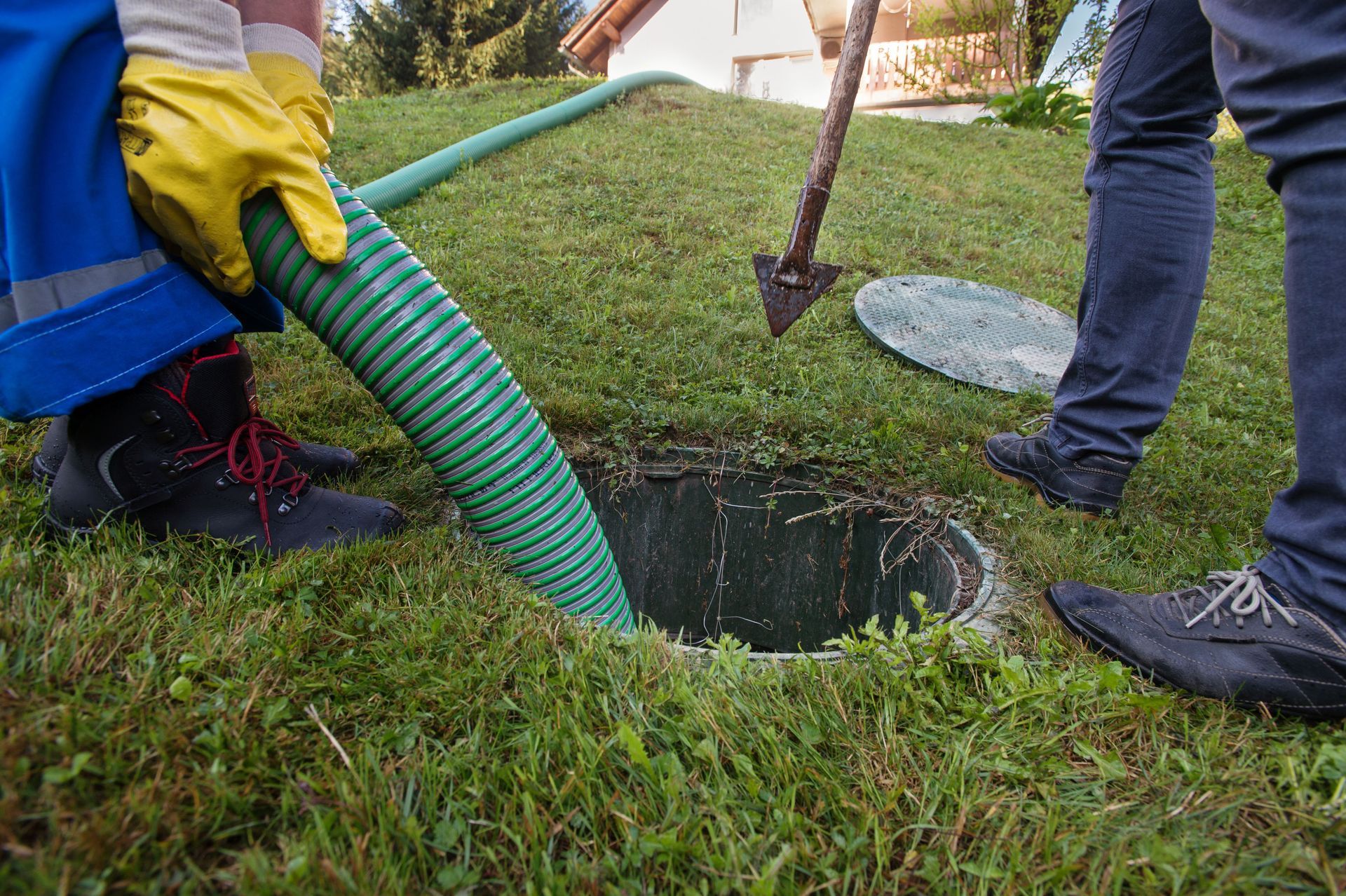
An essential preventive measure for septic systems is regular pumping and cleaning. Establishing a maintenance schedule helps prevent costly repairs and extends system longevity. Depending on household size and system usage, tanks should be pumped every three to five years. This routine maintenance keeps solids from accumulating and overwhelming the system. Professional services can ensure that the tank is cleaned thoroughly and remains in optimal condition.
Proper Waste Disposal Practices
Adopting proper waste disposal practices plays a significant role in septic system health. Avoid flushing non-biodegradable items or pouring grease and oils down the drains. These substances can create blockages or interfere with the breakdown of waste. Educating household members about appropriate disposal methods can maintain a healthy septic system. Implementing these practices reduces strain on the system and prolongs its efficiency.
Conserving Water Usage
Conserving water reduces the volume of wastewater entering the septic system, thereby lessening the load on the tank and drain field. Simple strategies like fixing leaks, using efficient fixtures, and spreading laundry loads can be effective. Reducing water usage not only conserves a valuable resource but also protects the septic system from being overwhelmed. These measures support environmental sustainability and preserve septic functionality. Homeowners are increasingly adopting water conservation as a routine practice.
Maintaining the Drain Field
Proper maintenance of the drain field is crucial for a well-functioning septic system. Avoid parking vehicles or planting trees near the drain field, as roots and weight can damage the field. Directing roof drains and other surface water sources away from the drain field can prevent flooding and maintain soil absorption capacity. Phosphate-free detergents and minimizing harsh chemicals can help protect the drain field from chemical damage. Effective drain field management ensures the system operates at peak efficiency.
Avoiding Chemical Drain Cleaners
While chemical drain cleaners might provide a quick fix for clogs, they can be detrimental to septic systems. The harsh chemicals can kill essential bacteria required for breaking down waste in the septic tank. Long-term use of such cleaners can disrupt the natural balance and efficacy of waste processing. Instead, opt for enzyme-based solutions or mechanical unclogging methods. Choosing the right products helps maintain a healthy septic ecosystem and ensures longer system life.
Innovations in Septic System Technology
Smart Septic Sensors
Recent advancements have introduced smart septic sensors that monitor tank levels and system performance remotely. These sensors provide real-time data that can alert homeowners to potential issues before they become significant problems. Such technology offers a convenient way to maintain awareness of septic system health without frequent physical inspections. Smart sensors can significantly enhance proactive system management and prevent premature failures. The integration of technology and septic management continues to grow.
Advanced Septic Treatment Products
Innovation in septic treatment products now offers solutions to enhance system efficiency and waste processing capabilities. These products often contain beneficial bacteria and enzymes that help in breaking down waste materials more effectively. Using advanced treatments can support septic system longevity and reduce the frequency of required maintenance. The availability of these products is increasing, providing homeowners with more choices for system care. Implementing such treatments complements traditional maintenance strategies for optimal benefit.
Eco-Friendly Septic Solutions
Environmental conservation efforts have led to the development of eco-friendly septic solutions. Options include biodegradable products and treatments designed to minimize environmental harm while maintaining system efficiency. Green innovations not only preserve the environment but also ensure long-term system functionality. These sustainable practices align with the growing desire to protect nature while achieving efficient waste management. The popularity of eco-friendly solutions is increasing as awareness of environmental and system care rises.
Remote Monitoring Systems
The Internet of Things (IoT) has revolutionized septic system management through the use of remote monitoring systems. Homeowners can now receive updates directly on their devices, detailing system status and alerting them to potential issues. IoT-enabled devices contribute to better monitoring and ease in addressing issues promptly. The use of technology provides peace of mind and efficient management resources. As technology advances, more homeowners will likely adopt remote monitoring systems for their septic management needs.
Using Apps for System Monitoring
Mobile apps offer another layer of convenience and management for septic system care. These apps can track maintenance schedules, alert users of upcoming service needs, and offer troubleshooting advice. The use of such apps empowers homeowners to take proactive steps in system care and ensures timely interventions. Leveraging mobile app technology can simplify the complexities of septic maintenance. This trend represents the increasing integration of digital solutions in everyday household management.
Case Studies and Real-Life Scenarios
Case Study: Early Detection Success Stories
Early detection of septic issues can lead to incredibly successful interventions. One case study showcases a homeowner who regularly inspected their system, noticing a minor leak. Acting quickly, they hired professionals who repaired the system, avoiding what could have been a costly overhaul. Timely interventions like these exemplify the importance of vigilance and regular system checks. These success stories reinforce the need for continuous awareness and proactive management of septic systems.
Lessons Learned from Septic Failures
Neglecting septic maintenance can lead to failures, often resulting in expensive repairs. One notable case involved a homeowner who ignored early signs of septic problem, leading to a complete system collapse. Repairs entailed replacing the entire septic system, costing tens of thousands of dollars. Such cautionary tales highlight the need for regular maintenance and immediate response to early warning signs. They serve as essential lessons for all property owners relying on septic systems.
Cost Analysis of Preventive Measures vs. Repairs
A comprehensive cost analysis reveals that preventive measures significantly outweigh the costs associated with emergency septic repairs. Regular maintenance checks, especially when employing professional assistance, average a few hundred dollars annually. In contrast, system overhauls or major repairs can escalate into tens of thousands. Addressing this difference underlines the economic advantage of prevention over reactive repairs. Regular investment in maintenance reveals itself as not only a money-saving strategy but also a property-preserving one.
Community Impact: Shared Septic Systems
Shared septic systems create distinct challenges and advantages for communities that use them. Coordination among community members is necessary to maintain the system's health and functionality. Joint responsibility can lead to shared costs, making professional services more affordable. However, shared systems also require cooperation and mutual understanding to ensure everyone adheres to proper maintenance schedules. Communities that successfully manage shared systems benefit from cost savings and optimized service usage.
Innovative Solutions Adopted Globally
Globally, communities have introduced innovative solutions to manage septic systems more efficiently. These include implementing biobarriers and biofilters in Canada and promoting eco-friendly solutions in European countries. Such innovations showcase the diverse approaches to septic management worldwide. Learning from these practices can aid other regions in adopting relevant technologies or methods for local conditions. Global advancements emphasize the evolution of septic system management and environmental stewardship.
Early detection of septic tank issues is crucial for preventing significant damage and excessive repair costs. Regular maintenance, understanding warning signs, and leveraging new technologies form the core of an effective septic care strategy. With the growing number of septic, drain & sewer-cleaning businesses, more resources are available for homeowners to maintain their systems efficiently. Proactive and informed management of septic systems can lead to long-term savings and a healthier environment. The call to action is clear: prioritize your septic system's health and embrace future innovations for sustainable management. If you're looking for septic tank services, contact McMahan Septic Tank Inc today.