February 20, 2026
Septic systems operate quietly behind the scenes, yet they play a vital role in protecting your home, health, and property. Understanding how septic pumping services work and why they matter allows homeowners to prevent avoidable disruptions and maintain consistent system performance. When handled properly, routine service supports efficient waste breakdown, reduces environmental risks, and helps your entire plumbing system function as intended.
If you rely on a septic system, staying proactive is essential. From recognizing early warning signs to selecting qualified professionals, knowing what to expect from septic pumping can make ongoing maintenance straightforward and manageable.
1. Understand the Importance of Routine Pumping
Routine septic pumping services help prevent system overload and messy backups. As wastewater enters the tank, solids settle and gradually accumulate. Without regular removal, that buildup can restrict flow and eventually force waste back into the home or yard. Preventive pumping keeps the system balanced and reduces the likelihood of unpleasant surprises.
Consistent service also protects long-term property value. A documented maintenance history demonstrates responsible ownership and reassures potential buyers that the septic system has been properly maintained. By scheduling septic pumping at appropriate intervals, homeowners protect both their investment and daily comfort.
2. Learn How Your Septic System Functions
A typical septic system includes a tank, distribution components, and a drain field that filters treated wastewater into the soil. Wastewater enters the tank, where solids settle at the bottom and lighter materials rise to the top. According to This Old House, many residential septic tanks are designed to hold more than 1,000 gallons of waste, which highlights how much material these systems manage before requiring professional attention.
Bacteria inside the tank break down organic matter, while clarified liquid flows outward for further filtration in the soil. This natural treatment process works efficiently only when excess sludge is removed regularly. Understanding these basics helps homeowners appreciate why septic pumping services are necessary for sustained performance.
3. Recognize Warning Signs Early
Identifying early signs of a full or struggling tank can prevent extensive damage. Slow drains, gurgling pipes, foul odors near fixtures, or soggy areas around the drain field often indicate that solids have accumulated beyond a safe level. These symptoms should never be ignored.
Promptly scheduling septic pumping when warning signs appear can prevent contamination and structural issues. Acting early reduces health risks and protects landscaping from costly damage, reinforcing the importance of attentive system monitoring.
4. Choose a Qualified Service Provider
Selecting the right company for septic pumping services requires thoughtful research. Homeowners should review local reputations, verify licensing, and confirm that technicians follow established safety and environmental guidelines. Experience with different system configurations ensures accurate assessments and efficient service.
Reading customer feedback and asking informed questions can clarify expectations. A reliable provider will explain findings clearly, outline recommended maintenance intervals, and offer transparent pricing. Taking time to evaluate providers helps ensure consistent, professional septic pumping over the life of your system.
5. Know What the Pumping Process Involves
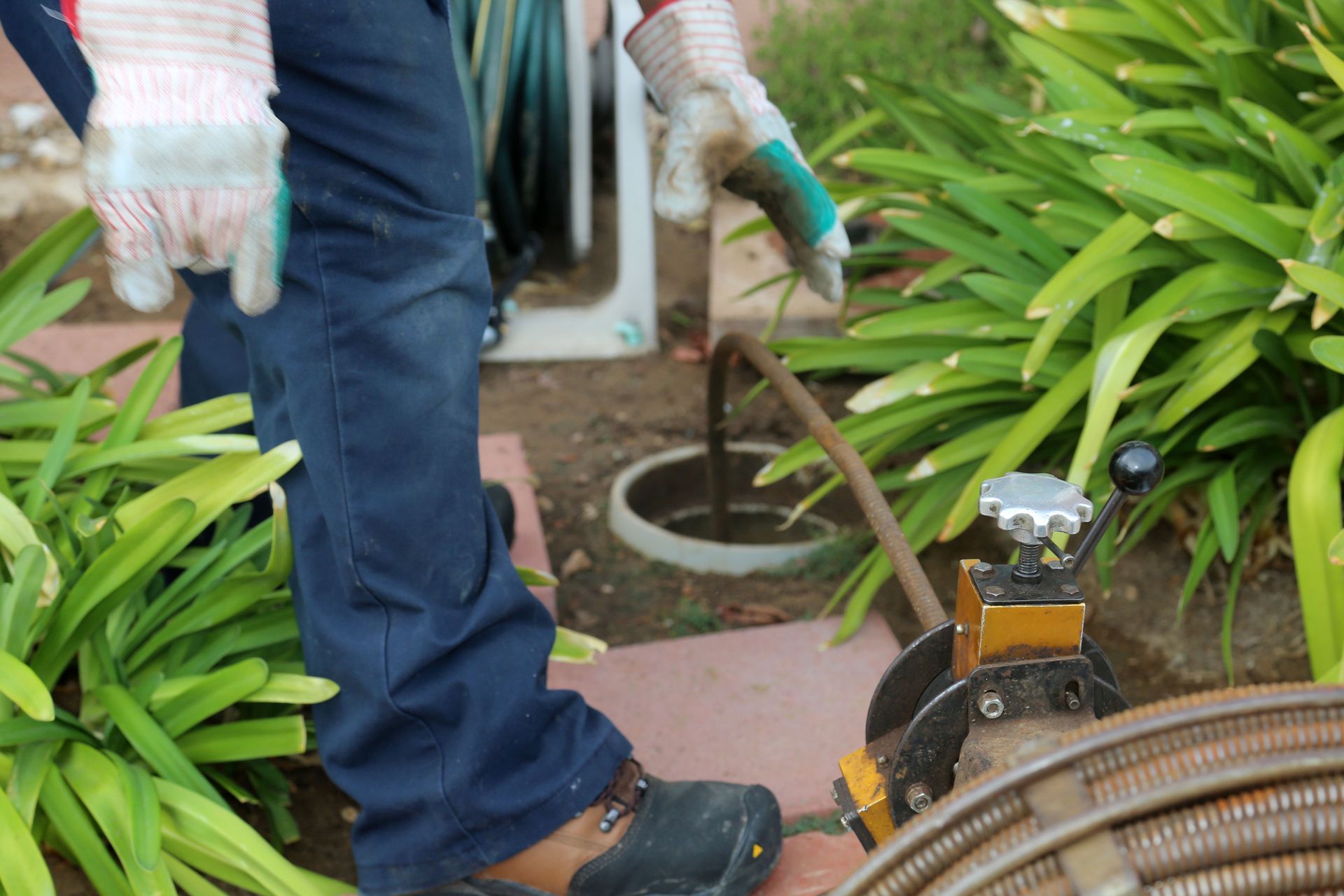
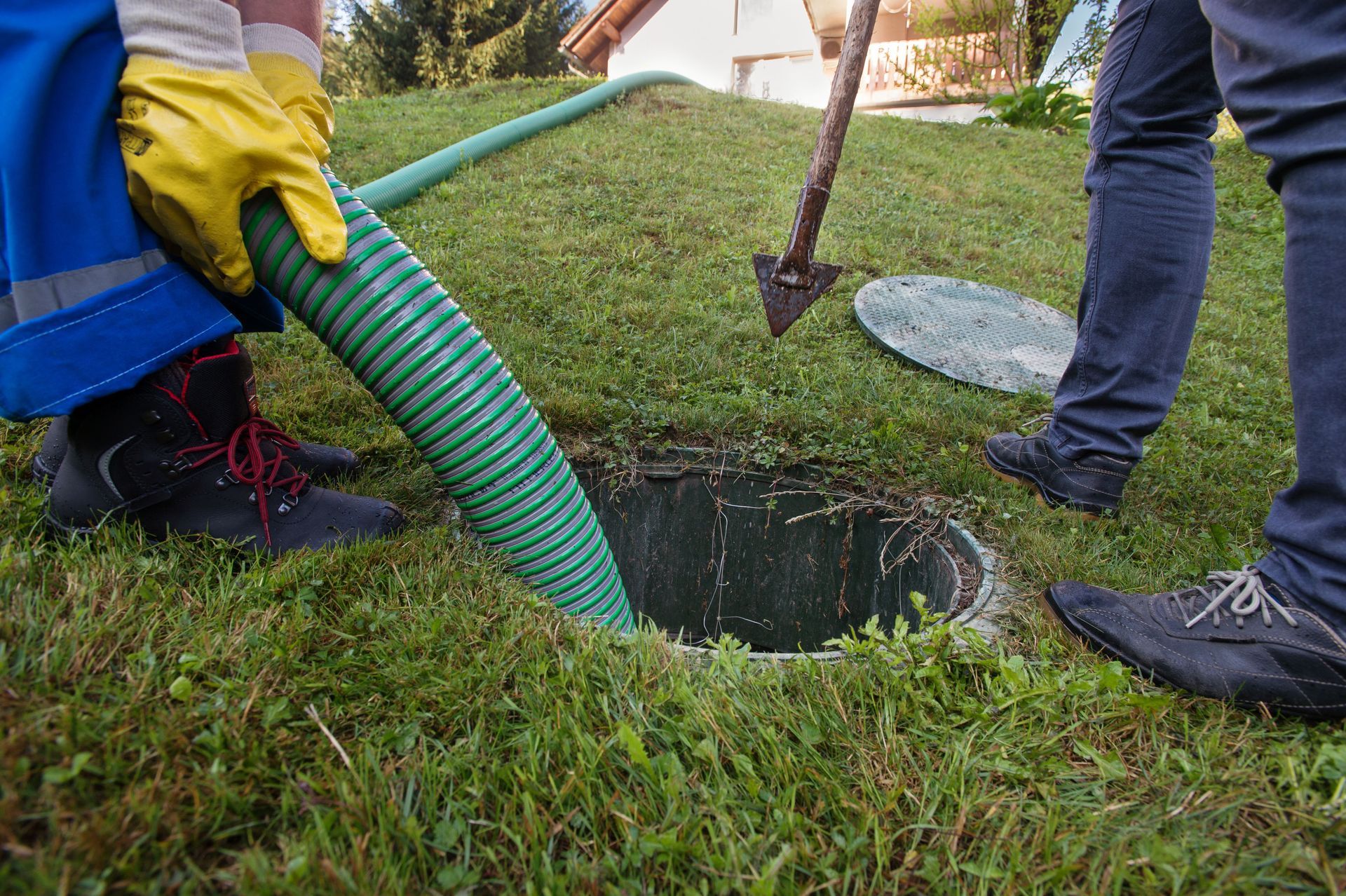
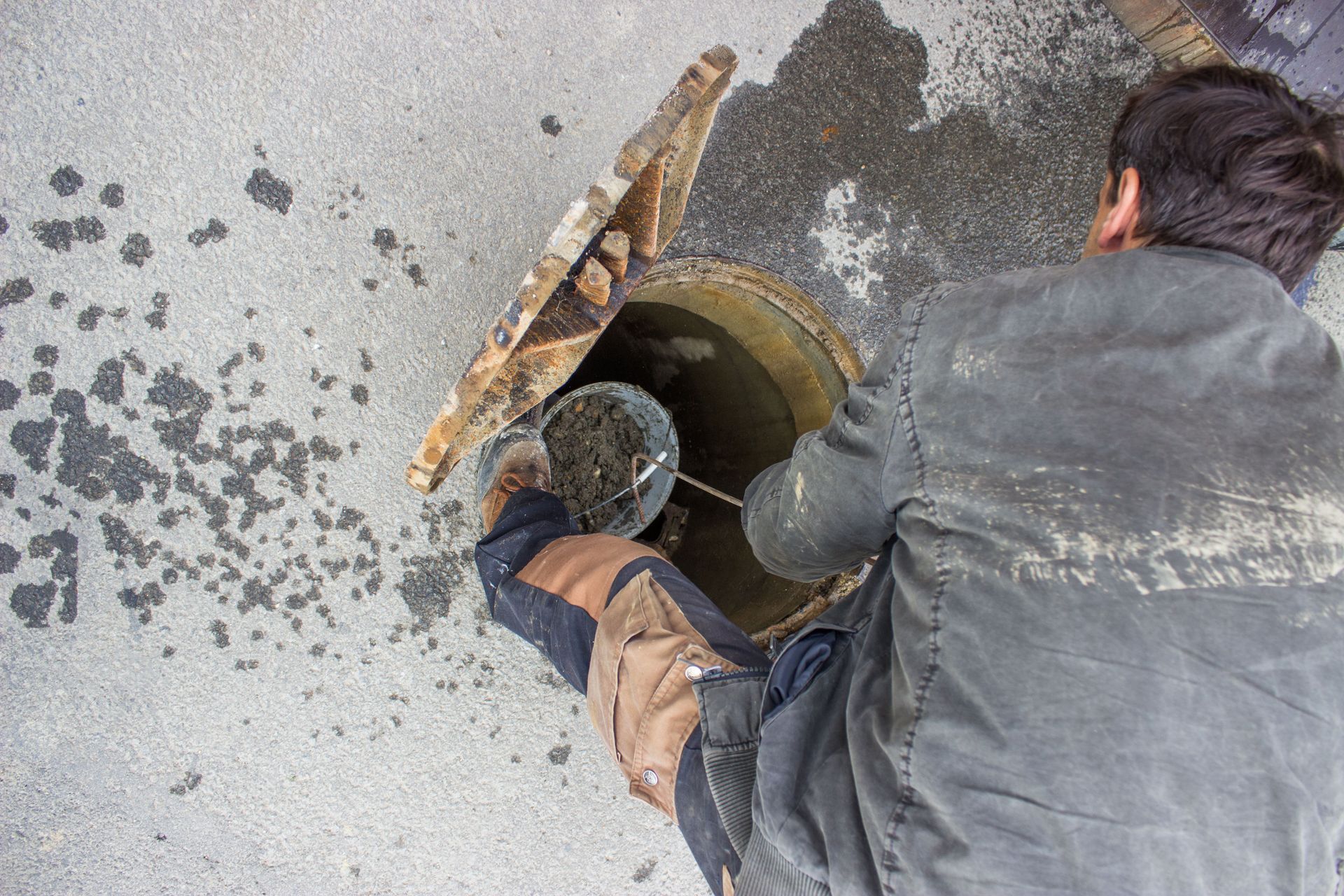
Professional septic pumping services begin with an inspection to assess tank levels and overall condition. Technicians locate and uncover the access points, measure sludge and scum layers, and check for visible signs of damage or irregular operation before beginning removal. Using high-powered vacuum equipment, they extract accumulated waste efficiently while minimizing disruption to the surrounding area. The collected material is then transported to approved treatment facilities in accordance with environmental regulations. This thorough removal restores tank capacity, improves system efficiency, and helps prevent solids from migrating into the drain field.
During the visit, technicians may also evaluate baffles, lids, filters, and other structural components to ensure everything remains intact and functioning as designed. Identifying worn or damaged parts early allows for timely repairs that protect the rest of the system. Safety measures are critical throughout the process, as septic gases and bacteria require proper handling, ventilation, and protective equipment. Professionals follow established procedures to safeguard both the property and its occupants. Understanding these steps gives homeowners confidence in the value, precision, and long-term benefits of professional service.
6. Plan for Proper Timing and Frequency
The appropriate schedule for septic pumping services depends on household size, water usage habits, and overall system demand. Homes with heavier water use may require more frequent service, while lighter usage may extend intervals between appointments. Factors such as frequent guests, home-based businesses, or high-efficiency appliances can also influence how quickly solids accumulate in the tank. Monitoring system performance helps determine practical timing, especially when paired with periodic professional inspections that measure sludge and scum levels. Rather than waiting for warning signs, proactive scheduling of septic pumping helps maintain steady system performance and reduces the risk of backups.
Seasonal planning also plays a role. Scheduling service when access is easier can streamline the process and reduce inconvenience, particularly in areas where weather conditions affect ground stability or visibility of tank lids. Planning ahead during moderate weather can also allow time to address minor repairs before they escalate. Establishing a consistent maintenance plan ensures septic pumping services remain predictable rather than reactive, helping homeowners avoid unexpected emergencies. A structured schedule supports long-term system health, protects landscaping, and allows for better coordination with a dependable service provider.
7. Budget for Ongoing Maintenance
Incorporating septic pumping services into your regular home maintenance budget prevents financial strain. Proactive care costs far less than repairing a damaged drain field or replacing major components. Planning ahead ensures funds are available when service is due.
Simple habits can further support cost control. Conserving water, avoiding non-biodegradable materials, and practicing mindful disposal habits reduce system stress and extend intervals between pumpings. Responsible use paired with scheduled septic pumping services promotes long-term efficiency.
8. Protect Your System Between Appointments
Daily habits significantly influence septic system health. Limiting grease disposal, spreading out laundry loads, and addressing plumbing leaks promptly help prevent unnecessary strain on the tank and drain field. Thoughtful water management supports balanced bacterial activity within the system, allowing waste to break down more effectively and reducing the likelihood of premature buildup. Avoid flushing non-biodegradable items, paper products beyond toilet tissue, or harsh chemicals, as these materials can disrupt the natural treatment process and accelerate the need for septic pumping. Even small adjustments in everyday routines can extend the life of your system and improve overall efficiency.
Homeowners should also maintain clear access to the tank area and keep accurate service records. These practices simplify future appointments and ensure technicians can perform septic pumping efficiently without delays caused by blocked entry points or missing documentation. Keeping lids visible and refraining from placing heavy structures over the tank protects structural integrity and supports safer inspections. Detailed records of past maintenance, inspections, and recommendations provide valuable insight into system performance over time. Consistent attention between visits enhances overall reliability and makes it easier to plan proactive, rather than reactive, maintenance.
Understanding what to expect from septic pumping services empowers homeowners to maintain safe, efficient waste management systems. Each step contributes to long-term performance and peace of mind. With consistent care and informed decision-making, your septic system can operate reliably for years to come. When it is time to schedule your next service, contact McMahan Septic Tank Inc. We will keep your system operating at its best.