October 23, 2026
Septic systems are complex structures that require professional expertise for proper maintenance and repair. Taking a systematic approach to diagnosing issues can save homeowners from costly failures and hazardous waste backups. Professional involvement increases the likelihood of extending the life of your wastewater setup while promoting environmental safety. Understanding the components involved and the steps executed provides valuable insight into proper system management. This comprehensive overview will guide you through the various stages of system care, leading directly into the core elements you need to know about your waste management setup.
Exploring the Core Components of Your System
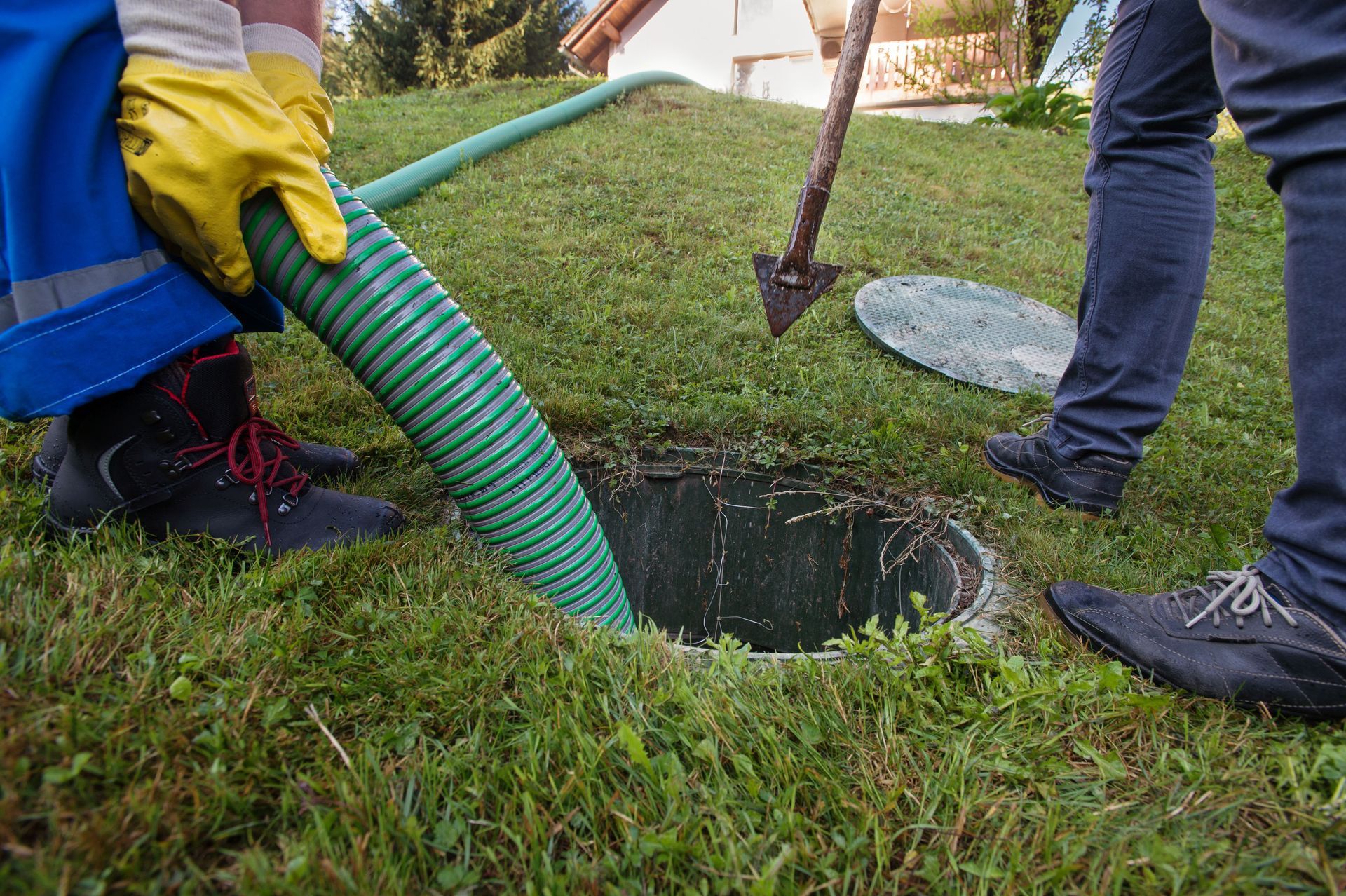
Most setups consist of several key components, each playing a vital role in treating and disposing of wastewater. The primary tank collects and treats solid waste through anaerobic bacterial processes. From there, the wastewater moves to the drain field, where it undergoes further treatment as it percolates through the soil. Various pipes connect these parts to ensure efficient flow and prevent backflow or overflow situations. Understanding these fundamental pieces helps you appreciate the intricacy involved in maintenance.
Managing Connections to Prevent Hazardous Blockages
Connections between the components must remain clear to ensure no blockages occur. If any part of this layout fails, it can lead to inefficiencies and potential environmental hazards. Parts must undergo routine evaluations to function correctly. Detailed knowledge of how these elements work together aids in diagnosing problems accurately. Ultimately, by understanding the essential parts, the critical role of professional intervention during septic repairs becomes clear.
Recognizing Common Problems and Signs of Failure
Several common issues often plague wastewater setups. Blockages and clogs in the pipes can cause wastewater to back up into the home or create standing water in the yard. Leaks in the tank or distribution pipes can lead to contamination of surrounding soil and groundwater. Overflowing or saturating drain fields often signal saturation failure or overuse. Recognizing these common problems early can mitigate severe damage and extensive septic repairs.
Interpreting Warning Signs and Bad Odors
The signs of failure often manifest visibly or as foul odors. Slow-draining fixtures, gurgling pipes, or foul smells near the drain field indicate potential issues. Wet spots or lush vegetation around the drain field can suggest excess moisture due to malfunction. We are equipped to interpret these signs and diagnose the underlying causes effectively. Early detection and intervention are crucial in preventing severe long-term damage.
Understanding Usage Statistics and Warning Signs
According to This Old House, in the US, over 25% of people use septic systems for waste management. With such a significant portion of the population relying on these systems, understanding and identifying the signs of failure becomes even more vital. Enlisting professional help ensures systematic and efficient identification and resolution of problems. Regular upkeep can help prevent many of these issues from occurring in the first place. By paying attention to the warning signs, homeowners safeguard their property's value and environmental health.
Maintaining Health With Scheduled Care
Regular attention is crucial for the long-term health of the system. Scheduled evaluations and routine pumping prevent the accumulation of waste in the tank and subsequent overflow. Preventive care includes ensuring no excessive water usage overwhelms the system. Weather considerations, such as flooding, must be factored into maintenance schedules as they affect performance. Ultimately, regular upkeep can save you from expensive septic repairs and complete failures.
Engaging Professionals for Routine Services
Engaging our team for routine care ensures adherence to industry standards. We have the expertise to conduct thorough evaluations and identify potential trouble areas before they cause harm. Maintenance tasks might include cleaning filters, checking for leaks, and evaluating the efficiency of the entire setup. By participating in regular care, you ensure your equipment operates optimally, supporting environmental and property health. This approach reduces the frequency of emergency calls.
Utilizing Standardized Techniques for Thorough Evaluations
Evaluations involve a variety of techniques designed to assess the condition and performance of the equipment. We typically follow standardized procedures to conduct thorough checks. Visual assessments evaluate the overall physical state, looking for visible signs of wear or damage. Upon identifying potential issues, we may employ more advanced diagnostic tools to delve deeper into the problem. Regular checks minimize the risk of unexpected failures and foster more efficient septic repairs.
Implementing Technological Aids for Diagnostics
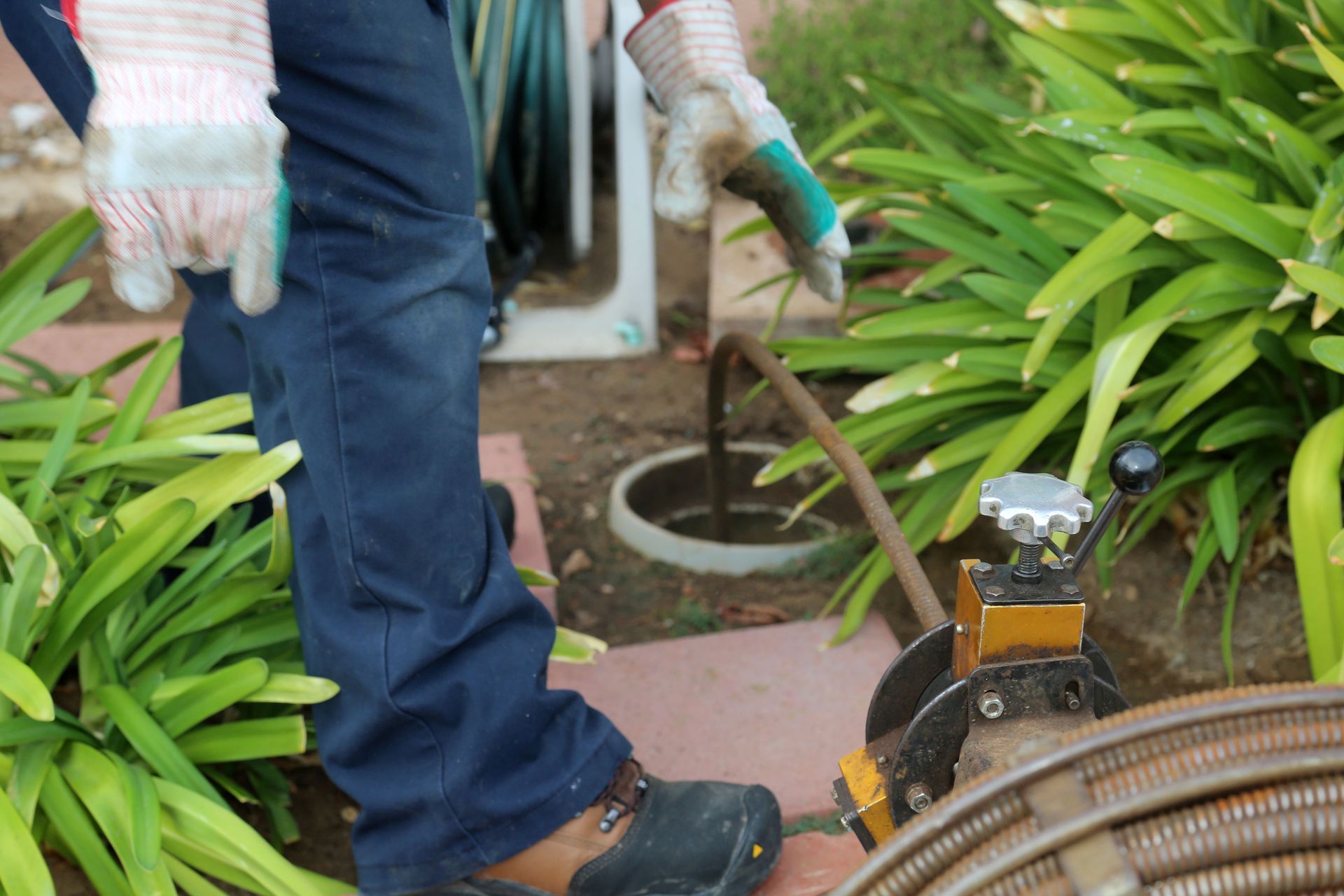
During evaluations, we employ a combination of visual and technological aids for a comprehensive understanding. Cameras and electronic locators can pinpoint issues not easily visible during routine checks. These tools help us assess pipe conditions, locate blockages, and evaluate tank integrity. The implementation of these techniques ensures we can identify failures early and recommend effective action. Systematic evaluations form the foundation for reliable management.
Complying With Environmental and Regulatory Standards
These systems are subject to various environmental and regulatory considerations at local, state, and federal levels. Regulations often govern aspects such as system design, installation, and upkeep, ensuring compliance with environmental standards. We stay updated with these regulations to provide compliant and environmentally friendly solutions during septic repairs. Failure to comply with these regulations can result in fines and potential damage to local ecosystems.
Conducting Visual Inspections as a First Step
Visual checks represent an essential first step in the evaluation process. They allow us to assess the overall condition and identify apparent signs of damage or wear. We look for cracks, corrosion, or other physical signs of wear that indicate the need for attention. A thorough examination of the drain field provides insight into saturation or leakage issues. Visual checks help flag areas of concern and determine areas needing further investigation.
Employing Advanced Equipment for Precise Locating
Advanced diagnostic equipment has revolutionized evaluation techniques. Video cameras provide access to internal perspectives of pipes and tanks, identifying blockages, damage, or contamination-related issues. These devices allow us to spot problems without invasive digging or disruptive procedures. Electronic locators help pinpoint underground lines and identify leaks or blockages with precision, reducing time and disruptions during septic repairs. Advances in equipment offer new means of identifying problems swiftly.
Developing an Effective Repair Plan
Creating an effective plan begins with comprehensive data collection and diagnostics. All information gathered during testing guides the approach to our strategy development. We use collected data to formulate a plan designed to address issues comprehensively, ensuring efficient resolution. Every plan developed incorporates consideration of responsible practices and applicable regulations. This approach guarantees our methods prioritize functionality, reliability, and compliance with environmental standards.
Estimating Costs and Budgeting Effectively
Accurate cost estimation and budgeting are crucial aspects of planning for septic repairs. We assess the extent and specifics of needed work based on diagnostic findings and then calculate associated costs. Various factors, including labor, materials, and equipment usage, contribute to overall cost projections. Providing you with precise estimates ensures transparency and financial preparedness before commencing operations. Accurate budgets allow you to understand the financial requirements.
Scheduling Repairs to Minimize Inconvenience
Scheduling work requires careful planning and consideration of various logistical factors. We consider both the severity of the issues and your availability when determining appropriate schedules. Coordinating and arranging for adequate time ensures work is conducted efficiently, minimizing inconvenience to you. It is vital that scheduling aligns with both accessibility to the site and appropriate weather conditions. Careful scheduling allows seamless integration of tasks.
Securing the Long-Term Longevity of Your Property With Us
Maintaining the functionality of your wastewater infrastructure requires a blend of regular attention, advanced diagnostics, and timely execution of septic repairs. By relying on thorough evaluations and data-driven strategies, we ensure your property remains safe and compliant with environmental regulations. Whether you need emergency help or a routine check, taking proactive steps today prevents costly disruptions tomorrow.
At McMahan Septic Tank Inc, we offer a wide array of solutions tailored to your property. Our team handles everything from new construction septic installation and septic system installation to ongoing septic system maintenance. If issues arise, we provide prompt septic tank repair, septic pump repair, and complete sewer line replacement. We also offer routine sewer line cleaning, sewer line inspection, and septic tank pumping to keep everything flowing smoothly. For dedicated sewer line installation, sewer line repair, septic system services, septic inspection services, septic tank inspection, and septic pump installation, reach out to us. We proudly deliver emergency septic services and sewer line services when you need them most. Contact McMahan Septic Tank Inc today to schedule your evaluation and keep your property protected.